Tomato Farming in Kenya 2025: A Smart Agribusiness for High Yields and Quick Returns
Posted in :

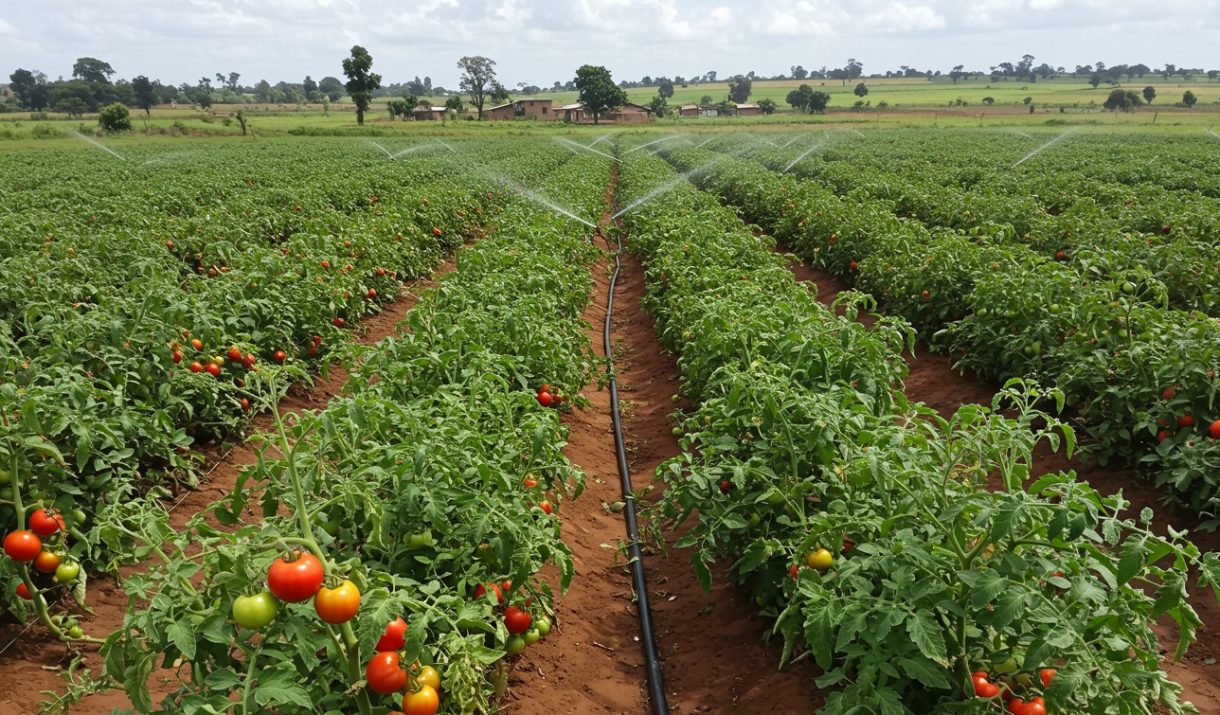
Tomato farming in Kenya is one of the most lucrative and fast-growing agribusinesses. Tomatoes are a staple food in nearly every Kenyan home, making them one of the most consumed and traded vegetables across the country. With the right knowledge, a farmer can earn over KSh 500,000 per acre in just 3–4 months.
Why Tomato Farming in Kenya Is Worth Your Investment
- High demand all year round in urban and rural markets
- Fast maturity: ready for harvest in 60–90 days
- Suitable for both small and large-scale production
- Compatible with irrigation and greenhouse farming
Tomatoes grow well in:
- Altitudes below 2,000m above sea level
- Warm climates with temperatures of 21–27°C
- Areas with moderate rainfall (600–1,200mm annually)
Top growing regions include:
- Kirinyaga, Nakuru, Machakos, Kajiado, Laikipia, and parts of Western and Nyanza
Find out more about our products and services here
Soil and Land Preparation
- Soil type: Well-drained, sandy loam with pH 6.0–7.0
- Land preparation: Plough and harrow soil to fine tilth
- Add compost or well-rotted manure (10–15 tons per hectare)
- Avoid waterlogging as tomatoes are sensitive to root rot
Best Tomato Varieties in Kenya
| Variety | Type | Yield Potential | Features |
| Rio Grande | Determinate | 25–30 tons/ha | Suitable for open field; hardy |
| Marglobe | Determinate | 20–25 tons/ha | Early maturing, round fruit |
| Kilele F1 | Indeterminate | 30–40 tons/ha | High yield, disease resistance |
| Anna F1 | Indeterminate | 35–45 tons/ha | Long shelf life, uniform fruits |
| Cal J | Determinate | 20–30 tons/ha | Drought tolerant, firm fruits |
Tip: Use hybrids like Anna F1 or Kilele F1 for greenhouse farming due to their extended harvest window and disease resistance.
Propagation and Transplanting
- Nursery Bed Preparation:
- Raise a nursery bed 1m wide, any desired length
- Mix topsoil with well-decomposed manure
- Sow seeds in rows spaced 15 cm apart
- Mulch and water daily
- Transplanting:
- Ready when seedlings have 4–5 true leaves (about 3–4 weeks)
- Transplant in moist soil during early morning or late evening
- Spacing: 60 cm between rows, 45 cm between plants
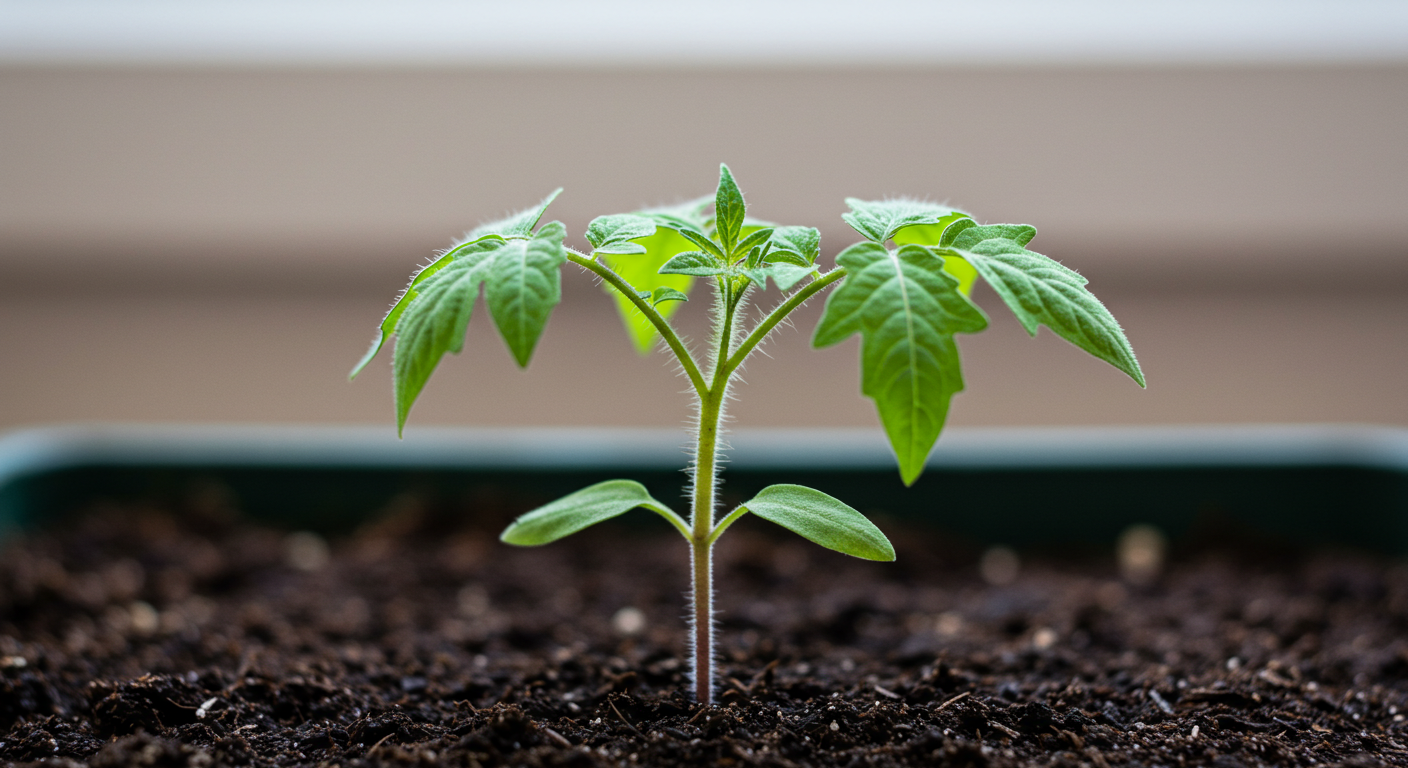
Fig 2: A tomato seedling ready to be planted
Fertilization and Nutrition
| Stage | Fertilizer Type | Application |
| At planting | DAP or TSP | 50–100 kg/acre to support root development |
| 2–3 weeks later | CAN or Urea | 100–150 kg/acre for vegetative growth |
| Flowering/fruiting | NPK (e.g. 17:17:17) | To enhance fruit size and quality |
Use foliar feeds like Easygro Fruit & Flower during flowering to boost yield.
Irrigation and Watering
- Tomatoes require consistent moisture, especially during fruiting
- Avoid overhead irrigation to prevent fungal diseases
- Drip irrigation is highly recommended for water efficiency
- Watering schedule:
- 2–3 times per week during dry season
- Adjust based on rainfall and soil moisture
Pest and Disease Management
Common Pests:
- Whiteflies: Control with Biotrine or Duduthrin
- Aphids: Use Karate or Confidor
- Tomato Fruit Worms: Apply Belt or Escort at flowering stage
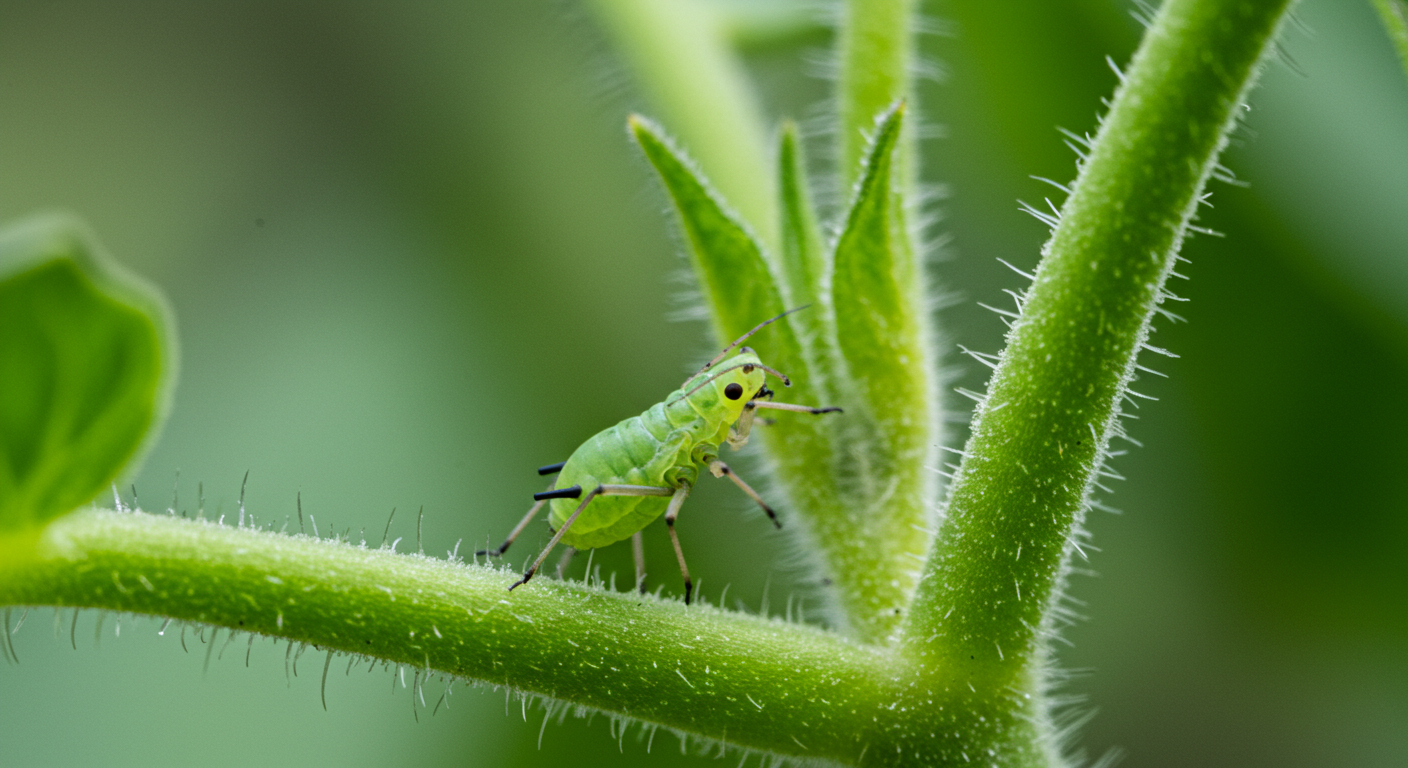
Fig 3: An aphid on a leaf
Common Diseases:
- Early Blight & Late Blight: Control with Ridomil or Milraz
- Bacterial Wilt: Avoid replanting in infected soils
- Powdery Mildew: Use Score or Funguran
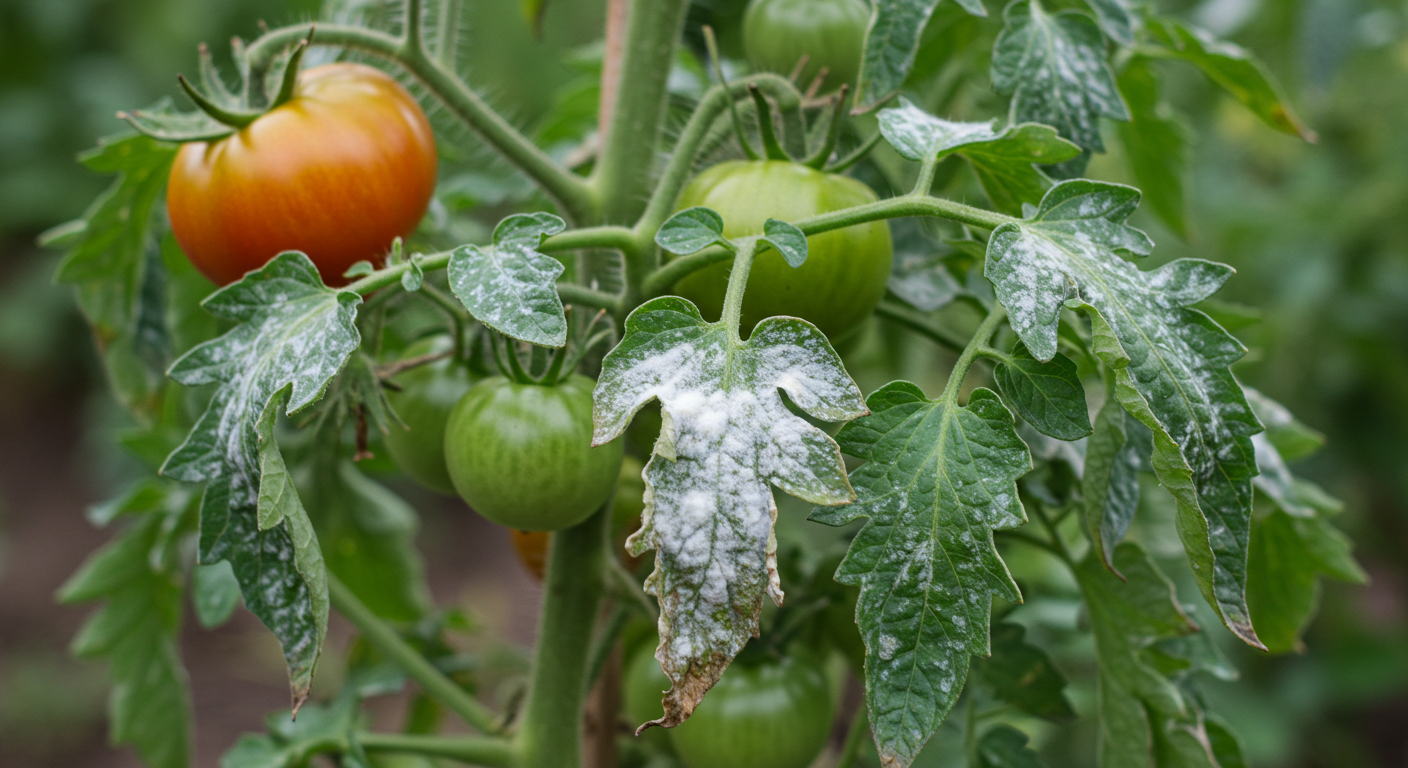
Fig 4: Powdery mildew on a tomato leaf
Cultural Controls:
- Rotate with cereals or legumes
- Use certified disease-free seeds
- Remove crop residues and weeds
Staking and Pruning (for indeterminate types)
- Staking: Support plants using wooden stakes or trellises
- Pruning: Remove suckers to improve airflow and reduce disease risk
- Increases fruit size and ease of harvesting
Harvesting and Post-Harvest Handling
- Tomatoes are ready 60–90 days after transplanting
- Harvest at the breaker stage (when color just starts to change)
- Use clean containers to avoid bruising
- Sort and grade according to size and ripeness
- Store in cool, dry places if not sold immediately
Market Access and Profit Potential
| Item | Estimate per Acre |
| Investment Cost | KSh 100,000 – 150,000 |
| Expected Yield | 15 – 25 tons |
| Average Price per kg | KSh 30 – 50 |
| Gross Revenue | KSh 450,000 – 1,000,000 |
| Profit Margin | 40–60% |
Sell directly to:
- Open-air markets (Gikomba, Kongowea, Wakulima)
- Restaurants and hotels
- Supermarkets and aggregators
- Export markets (Uganda, Rwanda, DRC)
Challenges in Tomato Farming
- High perishability
- Fluctuating market prices
- Vulnerability to pests and disease
- Post-harvest losses due to poor handling
What You Need for Successful Tomato Farming
- Certified seeds/hybrids from trusted dealers
- Adequate land preparation and spacing
- Pest and disease control plan
- Reliable irrigation system (preferably drip)
- Access to markets and transport logistics
- Training or mentorship from an agronomist
Frequently Asked Questions
Q: What is the best tomato variety for the Kenyan market?
A: Kilele F1 and Anna F1 are top choices for yield, disease resistance, and shelf life.
Q: How often should I water my tomato plants?
A: 2–3 times weekly, depending on weather and soil type.
Q: Can I grow tomatoes in containers or on a balcony?
A: Yes, especially with determinate varieties. Use rich soil, sunlight, and containers with good drainage.
Q: What is the shelf life of tomatoes?
A: 7–14 days depending on harvest stage and storage conditions.
Interested in onion farming? Find out how to do it the smart farmer way
Final Thoughts
Tomato farming in Kenya remains a profitable and practical agribusiness with quick returns and strong market demand. With the right practices and consistent care, even a small piece of land can generate big profits. Whether you're a beginner or scaling up, 2025 is an excellent year to capitalize on this ever-growing market.