Why Cabbage?
Cabbage has become one of the most reliable vegetables for Kenyan farmers. It is easy to grow, matures quickly, and has steady demand in markets, hotels, and homes. In 2025, cabbage farming remains highly profitable, with an acre producing 25–40 tons under good management. Proper timing, improved varieties, and better farming practices allow farmers to earn over KSh 250,000 per acre.
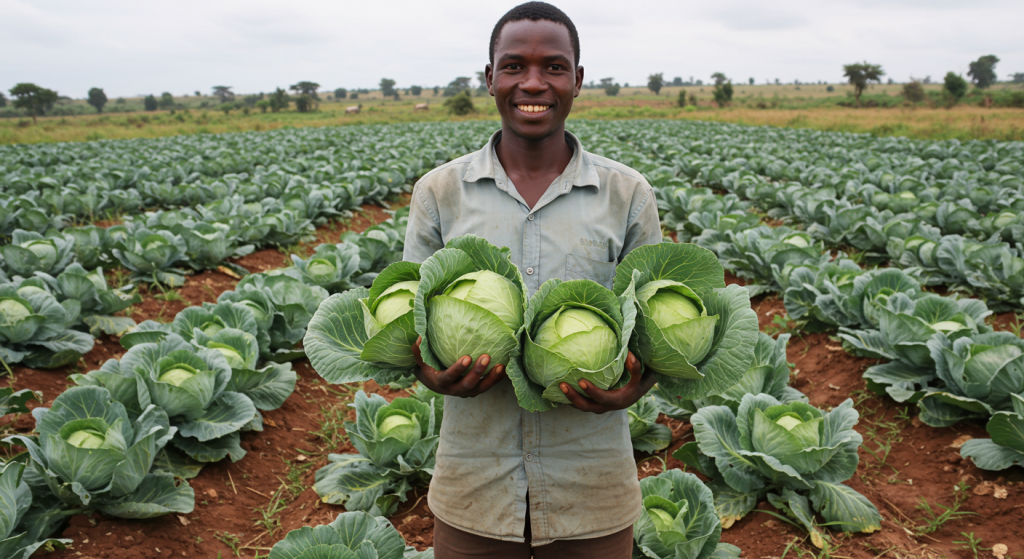
Fig1: A Kenyan farmer proudly holding freshly harvested cabbage heads.
Ideal Conditions for Growing Cabbage
Cabbages grow best in cool, highland and mid-altitude areas between 800–2,500m above sea level. They prefer temperatures of 15–20°C and soils that are deep, fertile, and well-drained. A slightly acidic soil pH of 6.0–6.8 gives the best results. Regions like Central Kenya, parts of Rift Valley, Western, and Eastern are excellent for production.
Choosing the Right Variety
Different cabbage varieties serve different needs. For quick returns, early-maturing types like Copenhagen Market are ideal. For bigger yields and commercial markets, hybrids like Gloria F1 or Blue Dynasty are common. Farmers should choose varieties based on:
- Maturity period (early or late harvest)
- Head size and weight
- Resistance to pests and diseases
- Market preference
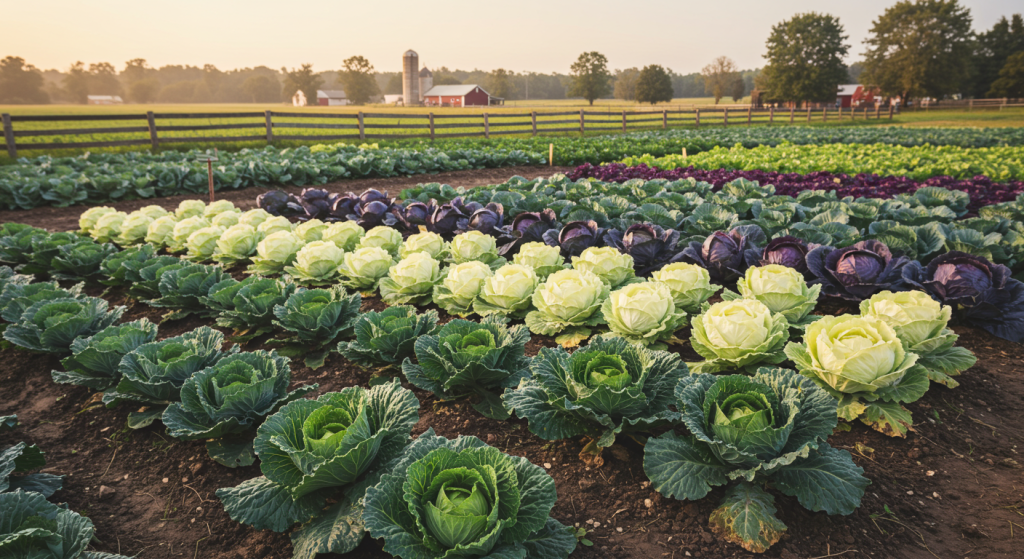
Fig 2: Different cabbage varieties at a farm demo plot.
Land Preparation & Planting
Prepare the land well by ploughing deeply and adding compost or manure to enrich the soil. Raised beds or ridges are recommended to improve drainage.
- Spacing: 60 cm between rows and 45–60 cm between plants.
- Seedling stage: Start in a nursery and transplant after 4–6 weeks when seedlings are strong.
- Best planting seasons: March–May and October–December, which align with the rains.
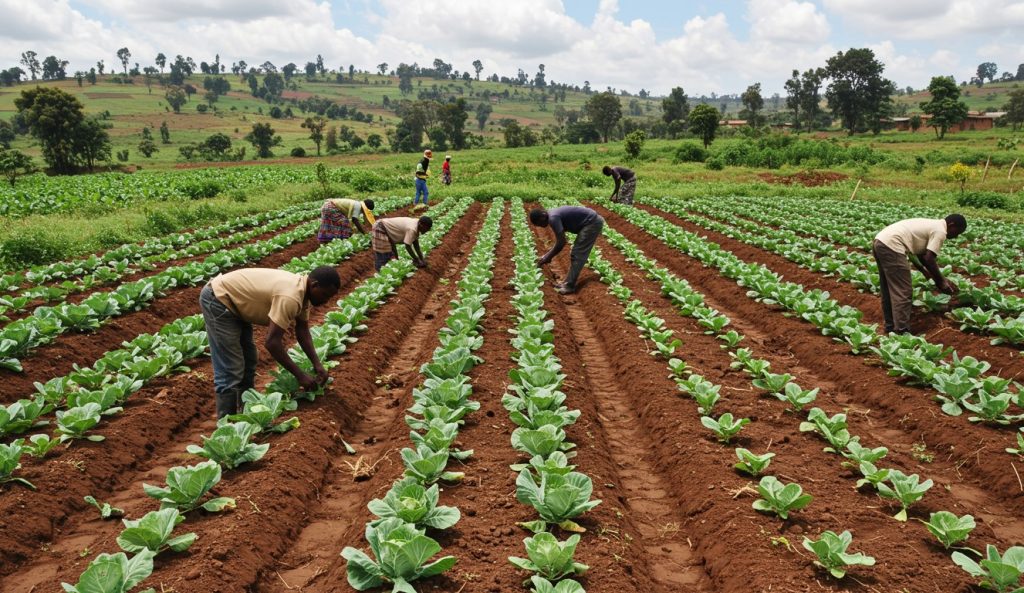
Fig 3: Farmers transplanting seedlings into well-spaced rows.
Water & Irrigation
Cabbages require regular water, especially during head formation. On average, they need 25–30mm of water per week. Drip irrigation is the best option because it saves water, applies nutrients directly, and reduces disease risk. Farmers relying on rainfall should mulch to retain moisture.
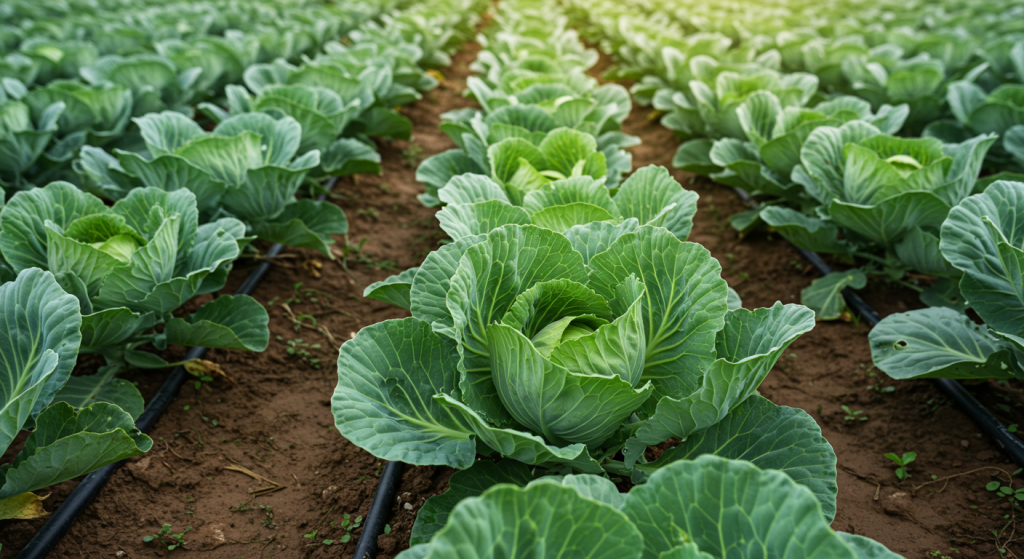
Fig 4: Cabbage farm with drip irrigation pipes running between rows.
Fertilization
For high yields, proper feeding is essential:
- At planting: Mix compost or well-decomposed manure with the soil.
- 2–3 weeks after transplanting: Apply nitrogen-rich fertilizer like CAN for leafy growth.
- During head formation: Add potassium-based fertilizer (like MOP) for firm, compact heads.
Pests and Diseases
Common challenges include:
- Aphids & diamondback moths – controlled with neem extracts, biological sprays, or scouting.
- Black rot & soft rot – prevented through crop rotation, spacing, and resistant varieties.
- Cutworms – managed by removing weeds and using protective collars around seedlings.
Integrated Pest Management (IPM) is the best approach: combine biological, cultural, and chemical methods only when necessary.
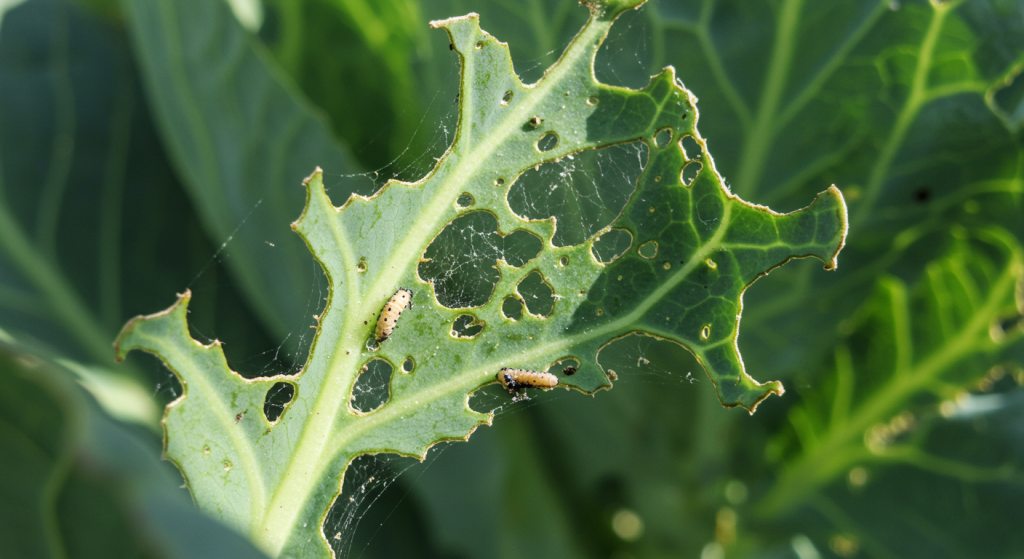
Fig 5: Cabbage leaves damaged by diamondback moths.
Weed Control & Crop Care
Weeds compete for nutrients and water. Farmers should weed regularly or use mulching materials like straw or grass. Mulching also helps conserve soil moisture and keep the soil cool.
Harvesting & Handling
Cabbages are ready for harvest in 3–4 months. They should be harvested when the heads are firm and compact. Cut the head at the base with a sharp knife and leave some outer leaves to protect it.
After harvest:
- Sort and grade by size and quality.
- Package in ventilated crates or sacks.
- Transport carefully to avoid bruising.
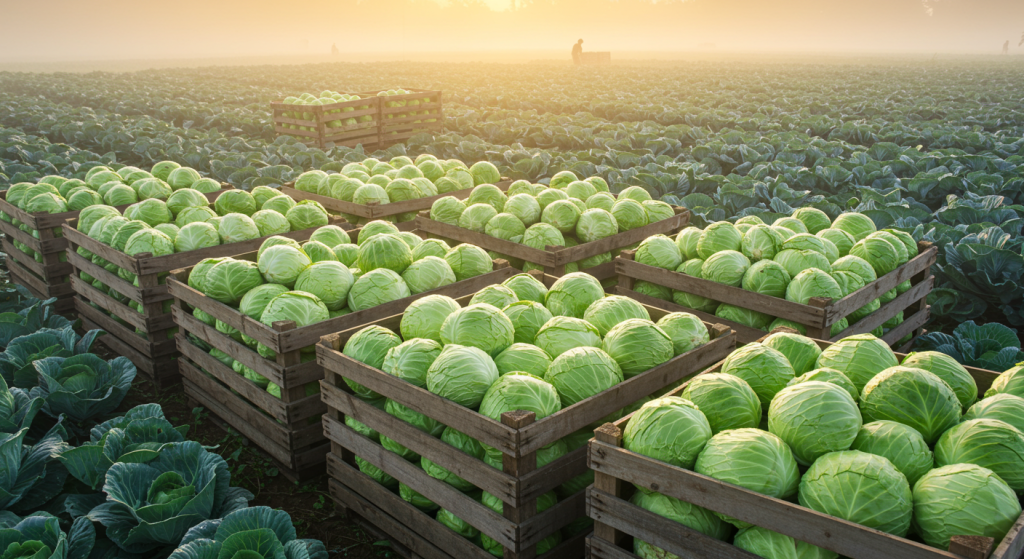
Fig 6: Harvested cabbages neatly stacked in crates at the farm.
Market & Profitability
Cabbage demand is consistent throughout the year. Prices range between KSh 15–50 per head, depending on season and market location. Farmers can sell to:
- Local open-air markets
- Schools, hotels, and hospitals
- Supermarkets and wholesalers
- Export markets (regional demand is growing)
With good planning, one acre of cabbage can generate profits of KSh 100,000–300,000. Off-season production fetches the highest returns.
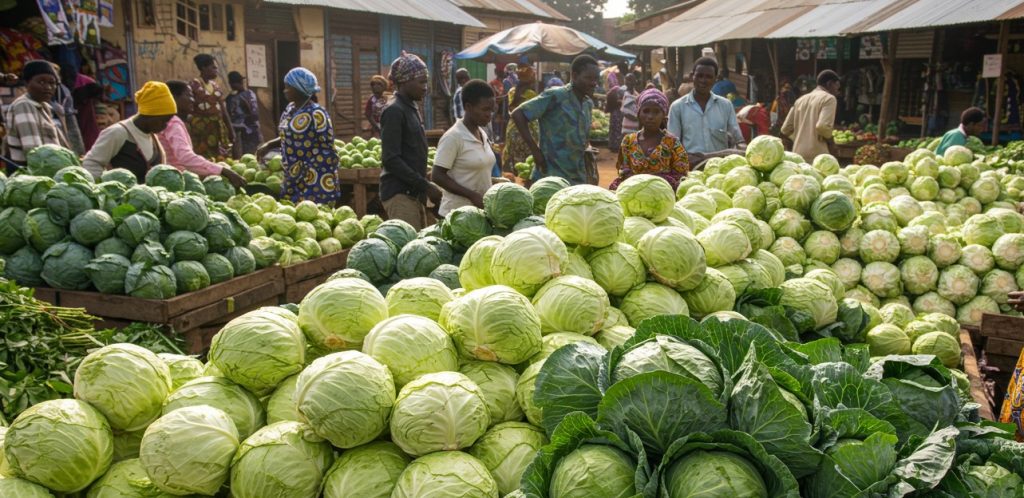
Fig 7: Busy Kenyan market with piles of fresh cabbages for sale.
Challenges & Solutions
- Unpredictable weather → Use irrigation, mulching, and climate-smart varieties.
- Pest outbreaks → Adopt IPM and rotate crops.
- Market glut → Time your harvest or explore value addition (coleslaw, sauerkraut).
- High input costs → Join farmer cooperatives for bulk buying and credit access.
Final Word
Cabbage farming in Kenya remains one of the most promising agribusiness ventures in 2025. With the right practices—choosing strong varieties, proper feeding, pest management, and linking to markets—farmers can secure good income and improve food security. The future belongs to farmers who adopt smart, sustainable methods and work together to meet the rising demand for nutritious vegetables.
Want to mint millions from tomato farming? Read this