Green Building Design for Poultry Farming in Kenya 2025: Sustainable Housing for Profitable Farms
Posted in :

Poultry farming in Kenya has become one of the fastest-growing agribusiness ventures in 2025. With increasing demand for chicken meat and eggs, farmers are now looking beyond just production — they're investing in sustainable poultry housing to reduce costs, increase bird health, and align with climate-smart farming. This article explores how green building design is transforming poultry farming in Kenya.
Why Sustainable Poultry Housing Matters
Traditional poultry houses in Kenya often rely on timber, iron sheets, or plastic roofing, which may not regulate temperature well. In regions like Machakos, Kisii, or Nyeri where temperatures fluctuate, poorly ventilated or overly hot chicken coops lead to high bird mortality and poor egg production.
Also read how to reduce chicken feed costs using azolla
Green building methods aim to:
- Reduce construction and operational costs
- Improve temperature control naturally
- Enhance ventilation and lighting
- Minimize environmental impact
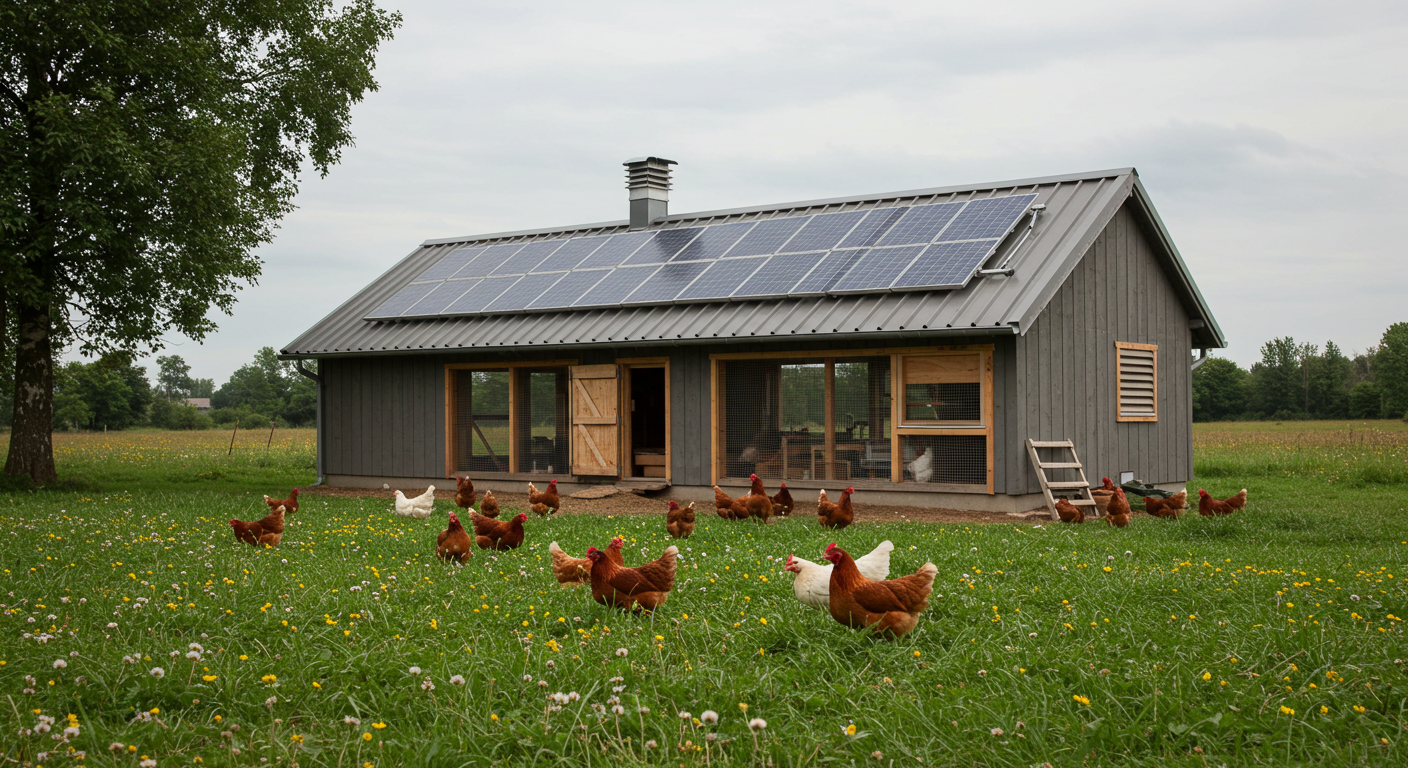
Fig 1:Eco-friendly poultry housing in Kenya using solar power and open side ventilation
Best Eco-Friendly Materials for Poultry Housing in Kenya
In 2025, sustainable construction doesn't mean expensive — many farmers are discovering affordable alternatives that are both eco-conscious and practical.
1. Compressed Earth Blocks (CEBs)
- Made from soil and stabilized with a small percentage of cement
- Excellent insulation properties
- Available locally
2. Bamboo & Timber from Sustainable Sources
- Lightweight and fast-growing
- Can be treated naturally to resist pests
- Used for trusses, perches, and framing
3. Recycled Iron Sheets or Polycarbonate Roofing
- Reflects heat while allowing light penetration
- Durable and available even in rural hardware shops
4. Rammed Earth Floors or Concrete with Drainage Channels
- Prevents water pooling and disease
- Easy to clean and disinfect
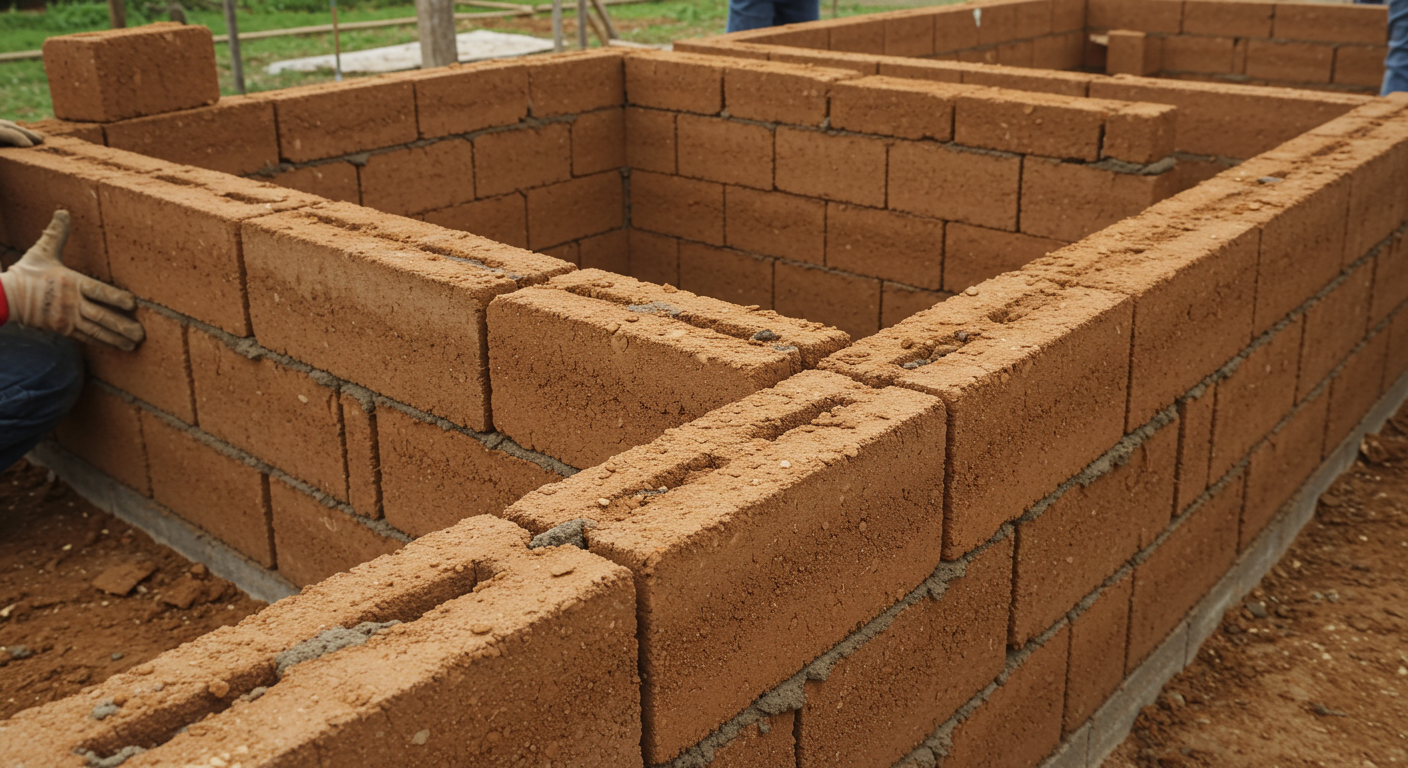
Fig 2:Compressed Earth Blocks used in poultry farm construction Kenya 2025
Natural Ventilation and Lighting: Critical for Bird Health
Green poultry houses phttps://newgreenpromo.org/wp-content/uploads/2024/06/woman-traveling-in-france-2023-11-27-05-16-47-utc_Easy-Resize.com_.jpgritize passive ventilation, reducing the need for electric fans. Proper airflow reduces respiratory infections and keeps humidity levels stable.
Design Tips:
- Position the house east to west to minimize sun exposure
- Use ventilation flaps along the top or sidewalls
- Raise the house to allow cool air to circulate from underneath
Lighting is another vital factor. Natural daylight stimulates egg production in layers.
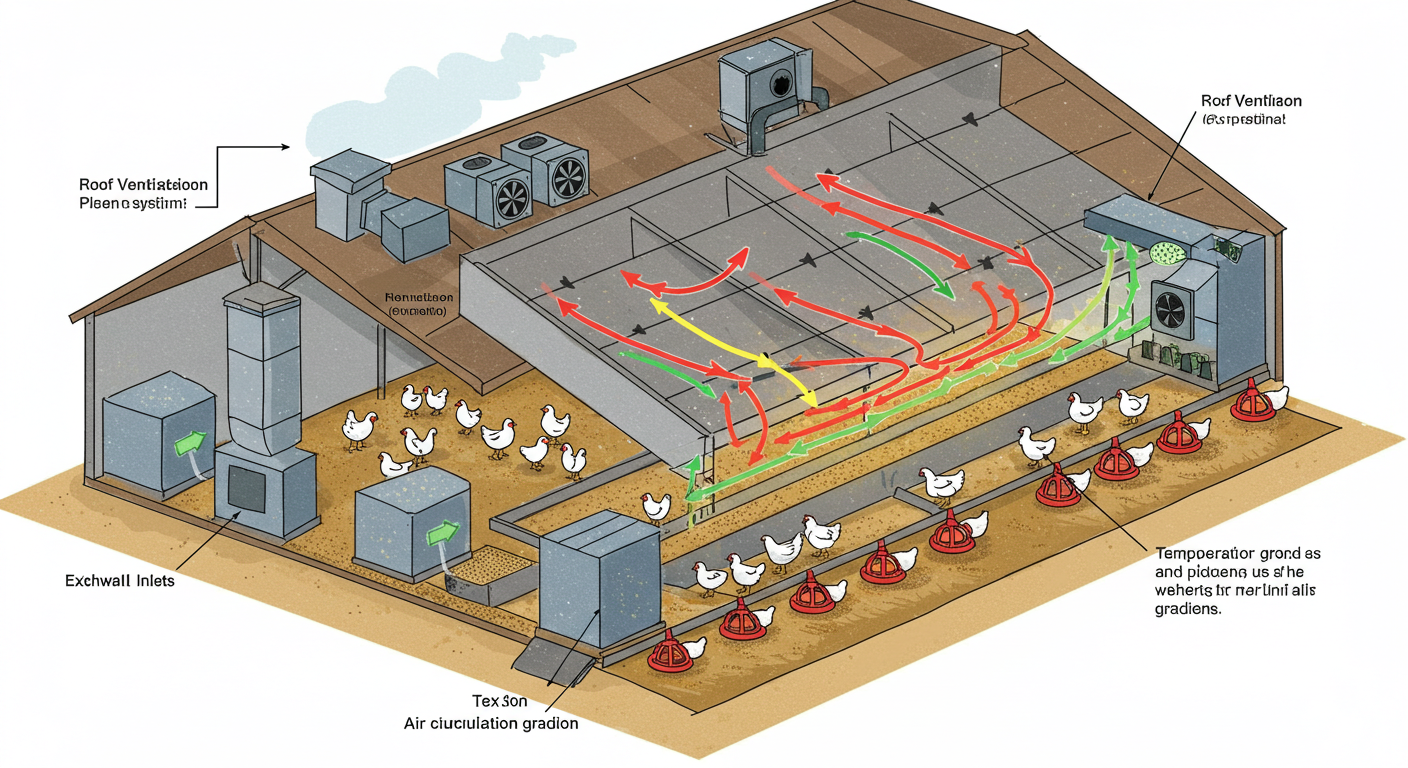
Fig 3:Natural ventilation design for poultry house in Kenya
Integrating Solar Energy for Sustainable Operations
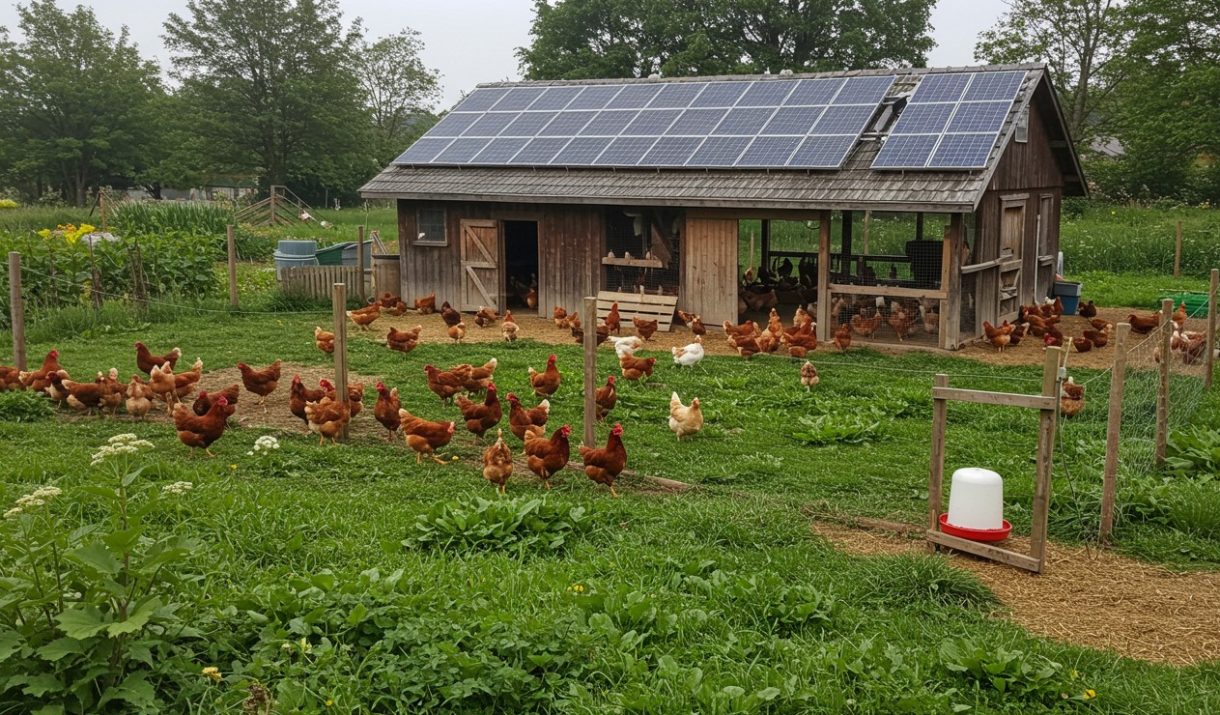
In rural Kenya, electricity is unreliable or expensive. Solar power is revolutionizing poultry farming in 2025 by providing clean energy to:
- Power water pumps for chicken drinkers
- Operate automatic feeders
- Provide night lighting for security and egg production
You can start with a 50-watt solar kit to light your coop and gradually expand as the farm grows.
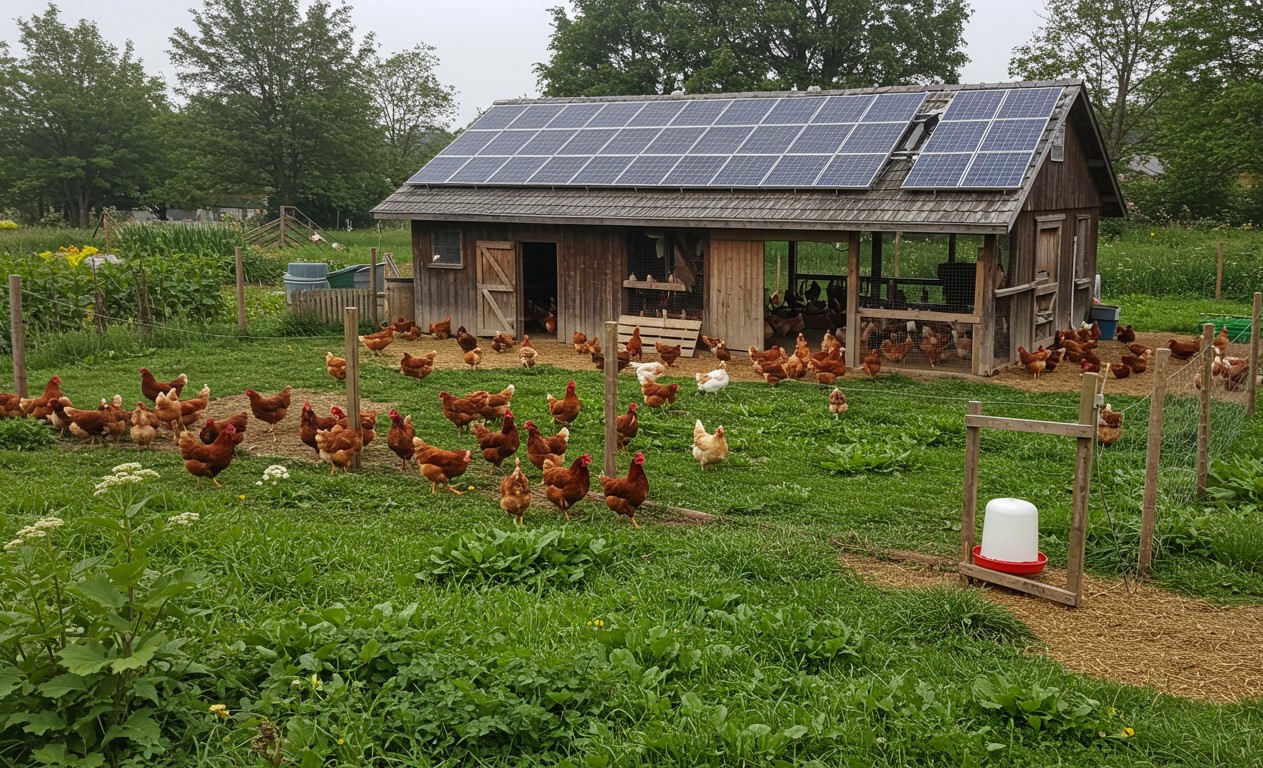
Fig 4: Kenyan poultry farm using solar power for lighting and feeders
Smart Water and Waste Management
A green poultry house is not complete without efficient water use and waste control.
Water Efficiency Ideas:
- Install nipple drinkers to prevent spillage
- Use rainwater harvesting tanks for backup supply
Waste Management Tips:
- Build a compost pit for poultry droppings (excellent organic fertilizer)
- Use chicken waste in biogas systems to generate energy
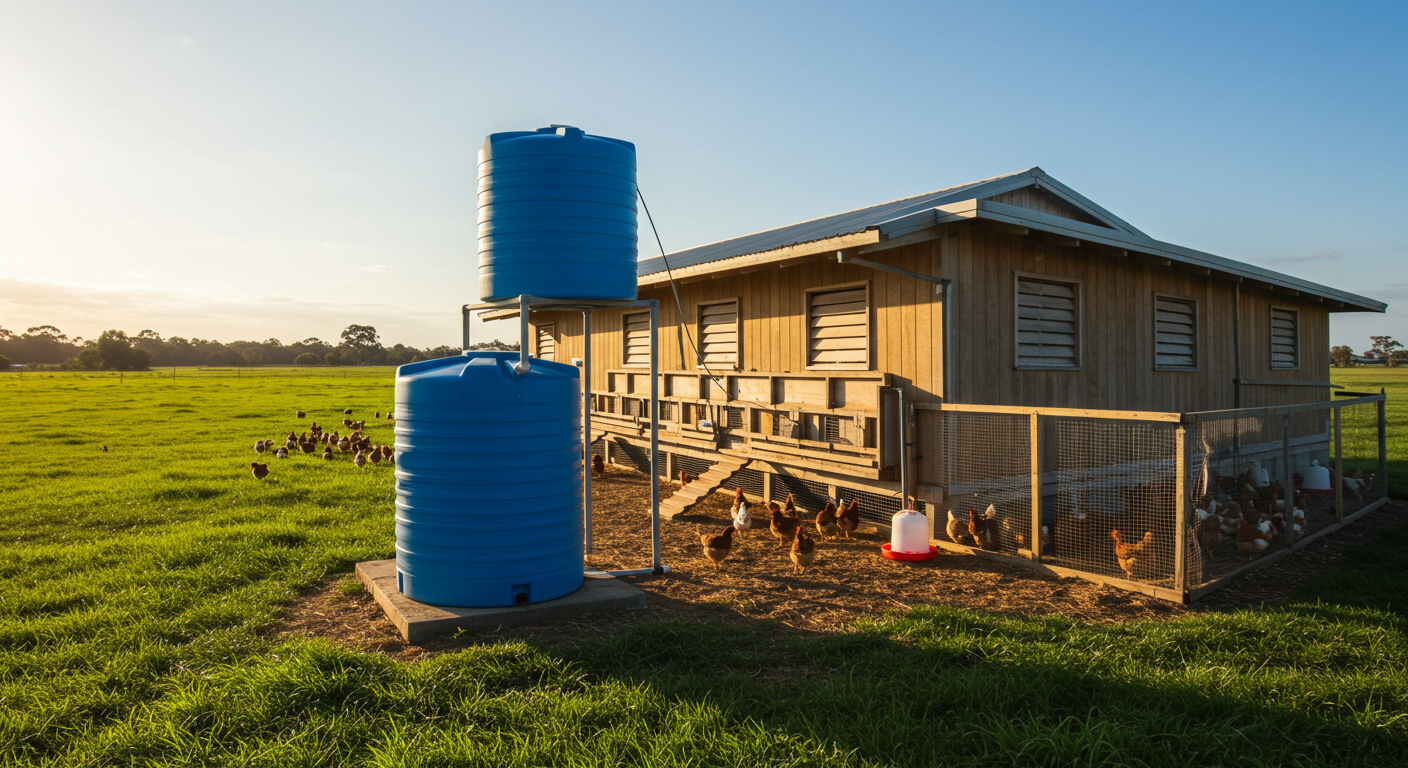
Fig 5: Rainwater harvesting system for poultry farming in Kenya
Space & Layout: Design for Maximum Productivity
Each chicken requires 1.5 to 2 square feet. Overcrowding leads to stress, disease, and slow growth. Use this checklist:
- Broiler house: 1000 birds = 1500–2000 sq. ft
- Layer house: Include laying nests and perches
- Free-range house: Add access doors to outdoor runs
Zoning the farm into feed storage, brooding area, and mature birds' area helps manage disease control and workflow.
Budget Example: Small Green Poultry House (2025 Prices)
| Item | Description | Cost (KES) |
|---|---|---|
| Foundation & walls (CEBs) | 20 ft x 40 ft house | 60,000 |
| Roof (recycled iron + solar) | With solar light kit | 35,000 |
| Floor & drainage | Concrete + mesh | 20,000 |
| Feeders & drinkers | 100 birds | 7,000 |
| Labor | Skilled + local | 15,000 |
| Total Estimate | 137,000 KES |
Final Thoughts: Greener Poultry Means Smarter Profit
Green building design isn't just good for the environment — it's good business. Poultry farming in Kenya is competitive in 2025, and farmers who invest in sustainable housing enjoy:
- Lower operational costs
- Healthier flocks
- Improved productivity
- Better branding when selling to eco-conscious markets
Whether you're starting with 50 broilers or expanding to 2000 layers, go green from the ground up.